
"Alternative Dance Modernisms: The Case of La Meri"
In revisiting La Meri s process of assimilating, organizing and abstracting elements of cultural movement techniques, the author tracks the way that a system for organizing movement can migrate and regenerate in an entirely new context. This case study is based on La Meri s teaching notes in the New York Public Library and the teaching method she was developing in Cape Cod in the 70s. La Meri was influenced by Coomaraswamy s translation of a medieval Sanskrit text on dance, the Abhinaya Darpana, as The Mirror of Gesture. Current and past writings on La Meri do not acknowledge the extent to which La Meri was deeply influenced by the modernist methodologies of teaching what is now known as the revived Indian classical dance forms. I propose that La Meri be recognized for the depth of her exploration of Indian cultural dances and for overtly showing how style can be observed, and embodied.
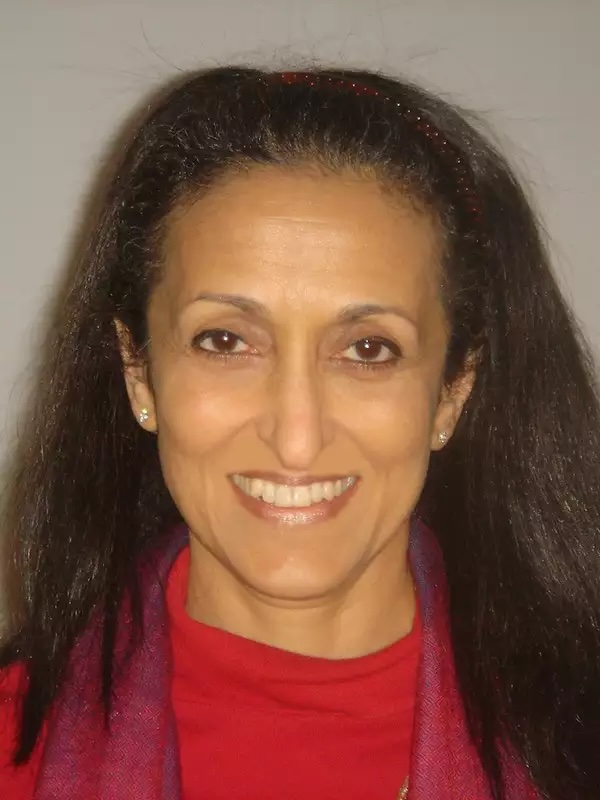
Uttara Asha Coorlawala currently teaches in the Dance Department of Barnard College/Columbia University. She has served as a curator for the Erasing Borders Festival of Indian Dances in New York since 2008. Within the field of dance studies, she served on the Editorial Board of Dance Research Journal, and as a panelist for New York, Ohio, and Maryland State Arts Councils. She also served as an advisor to then Prime Minister Rajiv Gandhi, and as Dance Director of the National Center for Performing Arts, in Mumbai. In 2011, Coorlawala was awarded the Sangeet Natak Akademi Puruskar Award, India s highest award in the Performing Arts. It was the first time an American has received this award. As a dancer-choreographer Coorlawala had initiated in India what has since become a movement towards intercultural innovation.